


What is Celery Seed Extract?
Celery Seed Extract is derived from the seeds of Apium graveolens L., a plant widely cultivated in Europe and Asia and traditionally used in herbal applications. Celery seed extract is commonly standardized to contain active compounds such as apigenin and other flavonoids, which are known for their antioxidant and anti-inflammatory properties. It is widely used in dietary supplements and functional food formulations to support joint health, healthy uric acid levels, and overall inflammatory balance in the body.
Why Choose Us
Professional technical team
We have high-level technical talents and a comprehensive team to provide customers with professional, comprehensive, fast and high-quality services to solve technical problems in different industries.
High Standard Products
We strictly develop an internal quality control system that is higher than industry standards for each product to ensure the high quality and stability of the product.
research and development
We focus on the R&D and production of plant extract active ingredients and natural products in the fields of functional foods, dietary supplements, health products and medicine.
24h online service
Our company provides comprehensive after-sales service,including installation guidance, maintenance and spare parts support.
Benefits of Celery Seed Extract
Anti-inflammatory Effects
Celery Seed Extract contains active compounds such as luteolin and apigenin, which have strong anti-inflammatory properties. These compounds may help reduce inflammation in the body, supporting relief from conditions associated with chronic inflammation such as joint discomfort and arthritis.
Diuretic and Detox Support
Celery Seed Extract is traditionally known for its natural diuretic effect, helping to promote urine production and support the body's natural elimination of excess fluids and toxins. This may also help reduce water retention and support kidney and urinary tract health.
Cardiovascular Health Support
Celery Seed Extract may help support healthy blood pressure levels and overall heart health. Some studies suggest it can help relax blood vessels and improve circulation, which contributes to better cardiovascular function.
Antioxidant Protection
Rich in flavonoids and other bioactive compounds, Celery Seed Extract provides antioxidant benefits that help neutralize free radicals. This helps protect cells from oxidative stress, which is linked to aging and various chronic diseases.
How Is Celery Seed Extract Obtained From Celery Seeds?
Celery Seed Extract is produced through a carefully controlled extraction process designed to concentrate the key active compounds such as flavonoids (e.g., apigenin, luteolin) and volatile phthalides. The production typically follows the steps below:
Raw Material Selection
High-quality Apium graveolens seeds are selected based on origin, maturity, and quality standards. Each batch is inspected to ensure it meets requirements for purity, color, and active ingredient potential.
Cleaning and Pre-treatment
The raw celery seeds are thoroughly cleaned to remove dust, stones, and other impurities. This step ensures a clean raw material foundation and helps improve the efficiency and safety of the extraction process.
Drying and Milling
The cleaned seeds are dried under controlled temperature conditions to reduce moisture content and maintain stability of active compounds. The dried seeds are then finely milled into powder to increase extraction efficiency.
Solvent Extraction
The seed powder is extracted using food-grade solvents, typically ethanol or hydroalcoholic solutions. This process allows the active components, including flavonoids (such as apigenin and luteolin) and phthalides, to be effectively dissolved and separated from the plant matrix.
Filtration and Concentration
The extracted solution is filtered to remove insoluble plant residues, resulting in a clear liquid extract. The filtrate is then concentrated under reduced pressure to remove excess solvent and enrich the active compounds.
Drying and Standardization
The concentrated extract is dried using spray drying or vacuum drying to obtain a stable powder form. Finally, the extract is standardized to specific active ingredient levels to ensure consistent quality, performance, and batch-to-batch reliability.
Types of Celery Seed Extract
Apigenin- Celery Seed Extract
This type of Celery Seed Extract is standardized based on Apigenin (4′,5,7-trihydroxyflavone), one of the key bioactive flavonoids responsible for its anti-inflammatory and vascular-supporting properties. Commercial specifications typically include Apigenin ≥ 0.5%–5%, depending on application (dietary supplement or pharmaceutical-grade raw material). Higher-standard extracts are used in cardiovascular and anti-inflammatory formulations due to their enhanced bioactivity and better receptor-modulating effects.
Luteolin- Celery Seed Extract
This category is standardized by Luteolin content, another major flavonoid contributing to Celery Seed Extract's anti-inflammatory and antioxidant activities. Typical specifications range from Luteolin ≥ 1%–10%, depending on extraction technology and target market positioning. Luteolin-rich extracts are widely used in joint health, immune modulation, and oxidative stress management formulations.


Total Flavonoids- Celery Seed Extract
This type is defined by Total Flavonoid Content (TFC) rather than a single marker compound. Standardization levels are commonly set at 10%–40% total flavonoids (UV method or HPLC equivalent). This full-spectrum extract provides synergistic effects from multiple flavonoids including apigenin, luteolin, and related glycosides, making it suitable for general health, antioxidant, and cardiovascular support applications.
Celery Seed Extract with Apiin
Some high-quality Celery Seed Extracts are standardized to Apiin (apigenin-7-O-apiosylglucoside), a natural flavonoid glycoside present in celery seeds. Typical specifications are Apiin ≥ 2%–20% depending on raw material concentration and extraction process. This type is often used in traditional botanical formulations and functional food applications due to its natural profile and stability advantages.
The predominant active constituents of commercial Celery Seed Extract are flavonoids, with apigenin and apigenin glycosides (such as apiin) being the key bioactive markers responsible for its anti-inflammatory and antioxidant activities. Depending on the standardization level, total flavonoid content typically ranges from 10–40% in high-quality extracts.
Among the specific components, apigenin (aglycone form) is generally present at approximately 0.5–5%, while luteolin content is commonly standardized within 1–10%, depending on extraction process and raw material quality. In glycoside-rich extracts, apiin (apigenin-7-O-apiosylglucoside) may account for approximately 2–20% of the total composition.
In addition to flavonoids, Celery Seed Extract contains volatile oils, fatty acids, and phenolic compounds in minor proportions, contributing to its characteristic biological profile. The remaining matrix typically includes plant-derived polysaccharides, protein fragments, moisture (1–8%), and ash (0–5%), depending on purification and concentration levels.
Overall, Celery Seed Extract is a multi-component botanical material, with flavonoid compounds as the primary standardized functional constituents.


Application of Celery Seed Extract
1.Dietary Supplements
Celery Seed Extract is widely used in dietary supplement formulations for its natural anti-inflammatory and antioxidant properties. It is commonly included in products targeting joint comfort, mobility support, and overall inflammatory balance.
2.Cardiovascular Health Formulations
Due to its bioactive flavonoids, Celery Seed Extract is applied in heart health products to help support healthy blood pressure levels and promote normal blood circulation. It is often used in combination with other botanical extracts in cardiovascular support formulas.
3.Urinary Tract & Detox Support Products
Celery Seed Extract is commonly used in detox and urinary health supplements because of its natural diuretic properties. It helps support fluid balance and the body's natural elimination processes.
4.Functional Foods & Nutraceutical Blends
Celery Seed Extract is incorporated into functional foods, herbal blends, and wellness formulations to enhance antioxidant activity and provide multi-functional health benefits in daily nutrition products.
What are the Health Benefits of Celery Seed Extract?
1. The primary benefit of apigenin is its strong antioxidant and anti-inflammatory activity. As a natural flavonoid widely found in Celery Seed Extract, apigenin helps neutralize free radicals and reduce oxidative stress, which may contribute to healthy aging and protection of cells from environmental damage. This makes it a valuable compound for supporting overall wellness and long-term health maintenance.
2. Evidence suggests that apigenin may support cardiovascular and nervous system health by modulating key cellular pathways involved in inflammation and stress response. It has been studied for its potential to promote healthy blood vessel function and support relaxation of the nervous system, which may contribute to improved circulation and general metabolic balance.

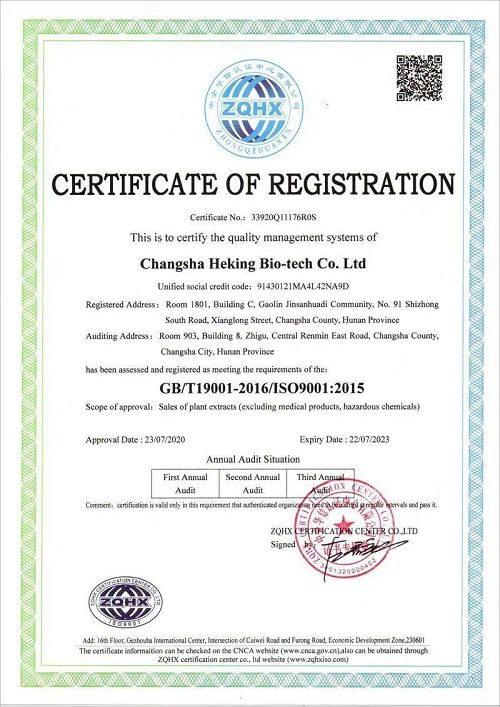
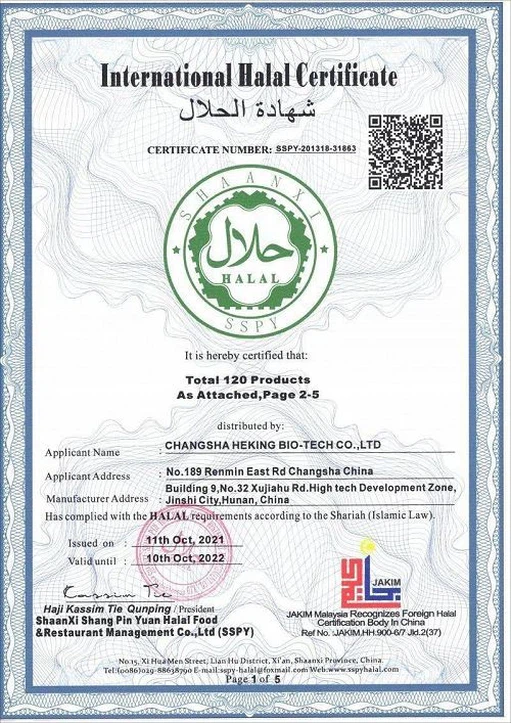
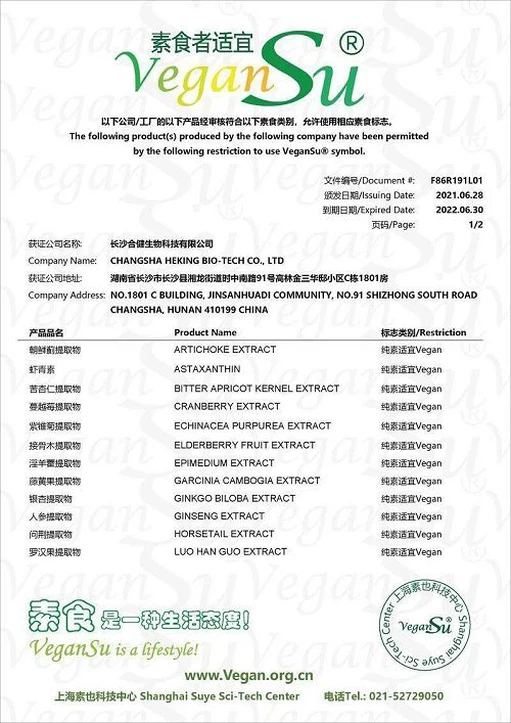
Certificate
Are certified for GMP, ISO22000, HACCP, Halal and Kosher

Our Factory
With high-level technical personnel and comprehensive team

Hot Tags: celery seed extract, China celery seed extract manufacturers, suppliers, factory, Chamomile Powder, crocus flower extract blood pressure, echinacea extract for skin, indian kino tree extract, organic papaya leaf extract, pueraria lobata root


