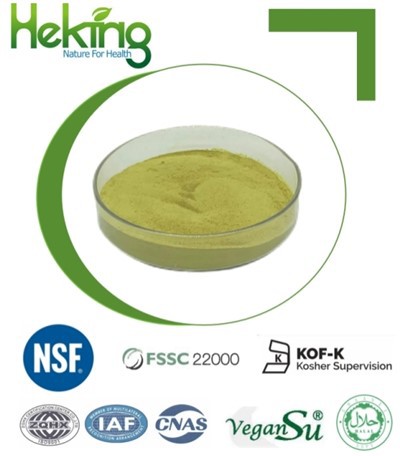
What is Natural Sweetener?
Natural Sweeteners. Natural sweeteners, in comparison to nonnutritive sweeteners, contain calories and nutrients, are metabolized, and change as they pass through the body. They include agave nectar, brown rice syrup, date sugar, honey, maple syrup, molasses and blackstrap molasses, sorghum syrup and stevia.
Why Choose Us
Professional technical team
We have high-level technical talents and a comprehensive team to provide customers with professional, comprehensive, fast and high-quality services to solve technical problems in different industries.
High Standard Products
We strictly develop an internal quality control system that is higher than industry standards for each product to ensure the high quality and stability of the product.
research and development
We focus on the R&D and production of plant extract active ingredients and natural products in the fields of functional foods, dietary supplements, health products and medicine.
24h online service
Our company provides comprehensive after-sales service,including installation guidance, maintenance and spare parts support.
-
![Stevia Leaf Extract]() Stevia Leaf Extract
Stevia Leaf ExtractProduct Name: Stevia ExtractLatin Name: Stevia rebaudiana (Bertoni) HemslOther Name: Stevia sugar、Stevioside、Rebaudioside ASpecification: 50%-99%Appearance: White to off-white fine
-
![Xylitol]() Xylitol
XylitolProduct Name: XylitolOther Name: Birch Sugar, Xylitol Crystalline, E967Specification: ≥98.5% – 101.0%Appearance: White to off-white crystalline powderTest Method: HPLCMOQ:
-
![D-Mannose]() D-Mannose
D-MannoseProduct Name: D-MannoseOther Name: D-Mannopyranose, Mannose PowderSpecification: 99% Minimum Assay Appearance: White Crystalline PowderTest Method: HPLCMOQ: 1KGSample: Free
-
![Mannitol]() Mannitol
MannitolProduct Name: MannitolOther Name: D-Mannitol, Manna Sugar, Mannitol PowderSpecification: ≥99.0% – 101.0% AssayAppearance: White or almost white crystals or crystalline powderTest Method:
-
![Fructooligosaccharides 95% Powder]() Fructooligosaccharides 95% Powder
Fructooligosaccharides 95% PowderProduct Name: Fructooligosaccharides 95% PowderOther Name: FOS, Oligofructose, OligofructanSpecification: ≥95% FOS (DP 2-5)Appearance: White to off-white fine powderTest Method: HPLCMOQ:
-
![Allulose Crystal]() Allulose Crystal
Allulose CrystalProduct Name: Allulose CrystalOther Name: D-Allulose, D-Psicose, Rare Sugar, Crystalline AlluloseSpecification: ≥98.5% D-AlluloseTest Method: HPLCMOQ: 1KGSample: Free samples
-
![Sweet Tea Extract]() Sweet Tea Extract
Sweet Tea ExtractProduct Name:Sweet Tea Extract. Latin Name: Rubus Suavissimus S. Lee. Specifications:10%-99%. Part Used:Leaf. Appearance:White Fine Powder. Test Method:HPLC,UV
-
![Stevia Extract]() Stevia Extract
Stevia ExtractProduct Name:Stevia Extract. Latin Name: Stevia rebaudiana (Bertoni) Hemsl. Specifications:10%-99%. Part Used:Leaf. Appearance:White Fine Powder. Test Method:HPLC,UV
-
![Monk Fruit Extract]() Monk Fruit Extract
Monk Fruit ExtractMonk fruit, also known as Luo Han Guo, The fruit comes from the Siraitia grosvenorii plant, which is native to southern parts of China. Monk fruit extract is 300 times sweeter than table sugar and
-
![Monk Fruit Extract]() Monk Fruit Extract
Monk Fruit ExtractProduct Name: Monk Fruit ExtractLatin Name: Siraitia grosvenoriiSpecification: 20%~50% Mogroside V Part Used: FruitAppearance: Brown yellow to off-white powderTest Method: HPLCMOQ:
-
![Monk Fruit Extract Sugar Substitutes]() Monk Fruit Extract Sugar Substitutes
Monk Fruit Extract Sugar SubstitutesProduct Name: Monk Fruit Extract Sugar Substitutes Other Name: Luo Han Guo Extract Sugar SubstitutesLatin Name: Siraitia grosvenorii (Swingle) C. Jeffrey Specification: 50%-98% Mogrosides
-
![Monk Fruit Mogroside]() Monk Fruit Mogroside
Monk Fruit MogrosideProduct Name: Monk fruit extract. Latin name: Siraitia grosvenorii. Specification: 20%~50% . Active ingredient: Mogroside V. Test Method: HPLC. Appearance: Brown yellow to off-white powder. Used


Advantages of Natural Sweetener
Reduced Calorie Content
Natural sweeteners often have fewer calories than refined sugars. With that being said, just because something has fewer calories in comparison, it doesn’t automatically make it healthier.
Lower Glycemic Index
Having a glycemic index score of 1 to 55 means that the GI is low. Many natural sweeteners have a lower glycemic index than refined sugars, The glycemic index measures how quickly carbohydrate-containing foods raise blood sugar levels. Many natural sweeteners have lower GI values, which means they cause a slower and steadier rise in blood sugar levels compared to refined sugars.
General Health Benefits
Because they come from natural food items, some natural sweeteners have more specific health benefits. These will be discussed below when we go over the different sweetener options.
Reduced Impact On Blood Sugar
For individuals with diabetes or those seeking to manage blood sugar levels, natural sweeteners can have less effect on blood sugar levels than other sweeteners. This can help prevent blood sugar spikes and crashes, making them suitable choices for people with diabetes or those following a low-glycemic or ketogenic diet.
What is the Healthiest Form of Natural Sweetener
Honey
Honey has been used as a sweetener for centuries and is derived from the nectar collected by bees. It contains various enzymes and antioxidants that provide potential health benefits. However, it''s important to note that honey is high in calories and should be consumed in moderation.
Maple syrup
Maple syrup is derived from the sap of maple trees and is often used as a topping for pancakes and waffles. It contains a variety of minerals and antioxidants, making it a healthier alternative to refined sugars.


Stevia
Stevia, a natural sweetener derived from the leaves of the Stevia rebaudiana plant, has gained popularity in recent years.Stevia is much sweeter than sugar and has zero calories, making it an attractive alternative for those looking to reduce their calorie intake.
Coconut Sugar
Coconut sugar is derived from the sap of coconut palm trees and is becoming increasingly popular as a natural sweetener.It has a similar taste to brown sugar and can be used as a one-to-one replacement in most recipes. However, coconut sugar still contains calories and should be consumed in moderation.

Application of Natural Sweetener
Control Blood Sugar And Weight
Since sweeteners provide few calories, choosing to use sweeteners instead of sugar can help control blood sugar levels and reduce energy intake, which is beneficial to weight management and dietary control in patients with diabetes.
Anti-cavities
Sweeteners do not cause tooth decay and have less interaction with oral bacteria. Therefore, using sweeteners instead of sugar can reduce the risk of tooth decay.
Suitable For Special Groups
For certain groups of people, such as diabetics, dieters, calorie limiters and sugar intake limiters, sweeteners are an ideal alternative that can provide sweetness while reducing intake,Sugar.
Natural sweeteners include honey, agave nectar, maple syrup and other forms of sugar that are favored for being more natural or unprocessed than table sugar. These natural sweeteners are still considered added sugars, and many of them still undergo some form of processing before appearing on the shelf.

Types of Natural Sweetener

Stevia
Monk Fruit
Allulose
Certain Sugar Alcohols
Agave
Honey
How do Natural Sweeteners Compare to Artificial Sweeteners
Taste And Consistency
One of the main differences between natural and artificial sweeteners is the taste and consistency. Natural sweeteners, such as honey, maple syrup, and molasses, have a rich and distinct flavor that can vary depending on the specific type and origin.
Health Implications
Another key difference between natural and artificial sweeteners is their impact on health. While both types of sweeteners are generally considered safe to consume in moderation, there are some potential health concerns associated with artificial sweeteners.
Cost
Cost is another factor to consider when comparing natural and artificial sweeteners. Natural sweeteners are usually derived from plants, such as honey, maple syrup, and beet sugar. The production and processing of these raw materials are relatively complex, so the cost is relatively high. Artificial sweeteners are produced through chemical synthesis or biotechnology. The production process is relatively simple and the cost is low.
Sources And Types Of Natural Sweeteners
Natural sweeteners are extracted from natural plants and are usually much sweeter than sugar. These sweeteners include honey, maple syrup, coconut sugar, agave sugar, and more. They are increasingly used in food and beverages because they are considered healthier than sugar.
Sources And Types Of Sugar
Sugar mainly comes from sugar cane, beet and other plants and is processed and refined. There are many types of sugar, such as white sugar, brown sugar, rock sugar, etc. In the past, sugar was considered a luxury product, but with the development of industry, sugar has become more and more popular and is even considered to be the culprit of many health problems.
Comparison Of The Nutritional Content Of Natural Sweeteners And Sugar
Although both natural sweeteners and sugar provide calories, there are significant differences in nutritional content. Natural sweeteners often contain nutrients such as vitamins, minerals and antioxidants, while sugar provides almost only calories and has low nutritional value.
Comparison Of The Glycemic Index Of Natural Sweeteners And Sugar
The glycemic index (gi) is a measure of how quickly sugar in food causes blood sugar to rise in the human body. Generally speaking, the lower the gi value, the less impact the food has on blood sugar. Natural sweeteners have certain advantages over sugar in this regard.
Are Natural Sweeteners Calorie-Free
Definition And Classification Of Natural Sweeteners
Natural sweeteners refer to sweet substances derived from natural plants or animals. They have a sweet taste but have very low or even no calories. Based on source and chemical structure, natural sweeteners can be divided into the following categories:
(1) sugar alcohols: Such as xylitol, erythritol, mannitol, etc. They are not easily decomposed and absorbed in the human body, so they have low calories.
(2) natural oligosaccharides: Such as isomalt, arabinose, etc., which are partially decomposed and absorbed in the human body and have relatively low calories.
(3) sweet proteins: Such as betaine, stevioside, etc., which have a sweet taste but very low or even no calories.
Caloric Content Of Natural Sweeteners
While natural sweeteners are generally low in calories, they are not all caloric-free. According to the characteristics of various natural sweeteners, we can roughly divide their caloric content into the following categories:
(1) low-calorie sweeteners: Such as xylitol, erythritol, etc., their calories are about 1/20~1/10 of sucrose.
(2) non-caloric sweeteners: Such as stevioside, arabinose, etc., their calories are almost negligible.
(3) moderate caloric sweeteners: Such as isomalt, fructose, etc., their calories are about 1/3~1/2 of sucrose.
What are Some Natural Sweetener Alternatives to Sugar
Honey
Honey is a natural sweetener that is collected by bees from the nectar of plants or the secretions of honey bugs. Honey contains a variety of nutrients such as vitamins, minerals and amino acids.
Maple Syrup
Maple syrup is a kind of syrup from maple trees. It is a natural sweetener and its nutritional value is much higher than that of sucrose. Maple syrup contains minerals, vitamins, and amino acids that help maintain normal body functions. Maple syrup is about 60% as sweet as sucrose.
Coconut Sugar
Coconut sugar is a sugar from the coconut tree. It is a natural sweetener that is widely used in cooking and baking in asian countries. Coconut sugar contains many minerals and vitamins such as iron, potassium and magnesium.
Stevia
Stevia is a natural sweetener from the stevia plant. It has the characteristics of low calories and high sweetness. Stevia does not contain sugar, so it does not cause blood sugar spikes or tooth decay.
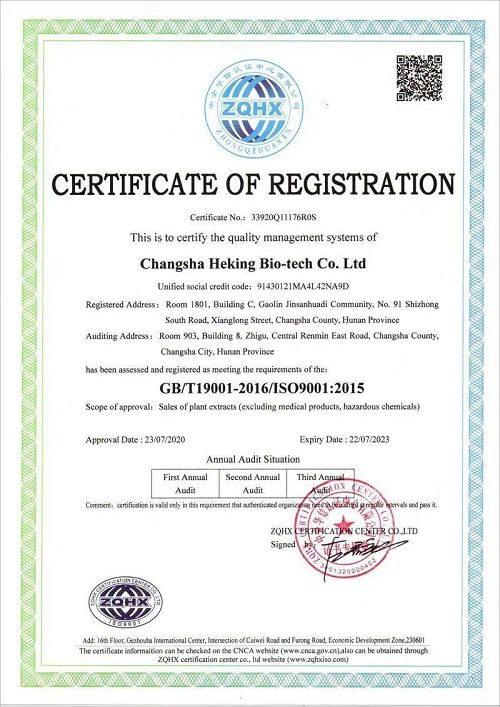
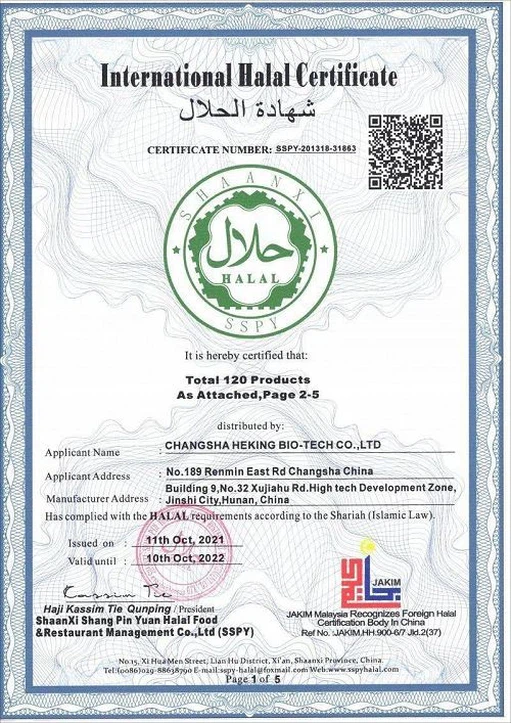
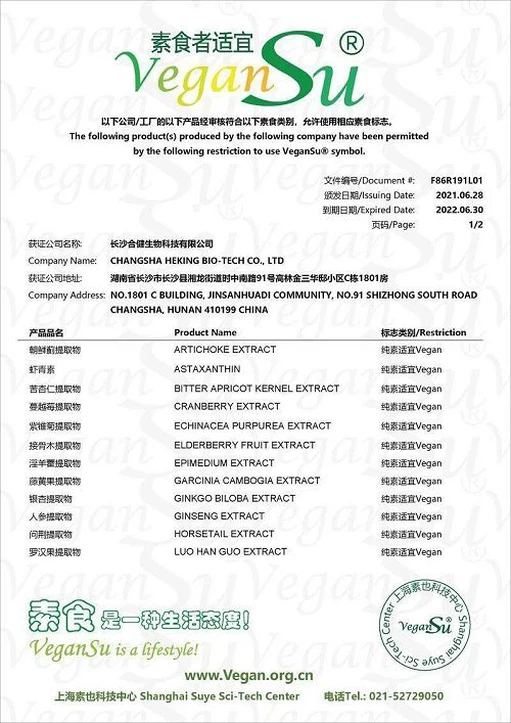
Certificate
Are certified for GMP, ISO22000, HACCP, Halal and Kosher

Our Factory
With high-level technical personnel and comprehensive team

As one of the leading natural sweetener manufacturers and suppliers in China, we warmly welcome you to wholesale bulk natural sweetener in stock here from our factory. All customized products are with high quality and competitive price. Contact us for quotation and free sample.
Natural Sweetener, Monk Fruit Extract Powder, Mogroside Sweetener