What is Vitamin?
Vitamins are organic molecules that are essential to an organism in small quantities for proper metabolic function. Essential nutrients cannot be synthesized in the organism in sufficient quantities for survival, and therefore must be obtained through the diet.
Why Choose Us
Professional technical team
We have high-level technical talents and a comprehensive team to provide customers with professional, comprehensive, fast and high-quality services to solve technical problems in different industries.
High Standard Products
We strictly develop an internal quality control system that is higher than industry standards for each product to ensure the high quality and stability of the product.
research and development
We focus on the R&D and production of plant extract active ingredients and natural products in the fields of functional foods, dietary supplements, health products and medicine.
24h online service
Our company provides comprehensive after-sales service,including installation guidance, maintenance and spare parts support.
-
![Vitamin E Powder]() Vitamin E Powder
Vitamin E PowderProduct Name:Vitamin E Powder
Specifications:98%
Appearance:White Fine Powder
Test Method:HPLC -
![Vitamin B Powder]() Vitamin B Powder
Vitamin B PowderProduct Name:Vitamin B Powder
Specifications:98%
Appearance:White Fine Powder
Test Method:HPLC


Advantages of Vitamin
Improved Immune System
One of the most surprising benefits of taking Vitamin supplements is that they can help to improve your immune system. By providing your body with essential vitamins and minerals, these tablets can help to support your immune system and keep it functioning at its best. This can help to reduce your risk of getting sick, and can even help to speed up your recovery time if you do become ill.
Better Digestive Health
Another unexpected benefit of taking Vitamin tablets is that they can help to improve your digestive health. Many of these tablets contain vitamins and minerals that are essential for maintaining healthy digestion, such as vitamin B and zinc. By taking these tablets regularly, you can help to support the healthy function of your digestive system, which can lead to improved digestion and overall health.
Increased Energy Levels
One of the most common reasons people take multivitamin tablets is to boost their energy levels. These tablets can provide your body with the essential vitamins and minerals it needs to produce energy, which can help to improve your overall energy levels. This can be especially helpful for people who are feeling tired and sluggish, and can help to improve your overall sense of well-being.
Improved Mental Health
Another unexpected benefit of taking Vitamin tablets is that they can help to improve your mental health. Many of these tablets contain vitamins and minerals that are essential for maintaining healthy brain function, such as vitamin B and magnesium. By taking these tablets regularly, you can help to support the healthy function of your brain, which can lead to improved mental clarity and overall well-being.
Types of Vitamin
Vitamin A
Vitamin A is a fat-soluble vitamin that helps maintain the health of the skin, corneas, lining of the lungs, intestines, and urinary tract. It also plays an important role in night vision and helps protect against infection. Excellent sources of vitamin A include sweet potato, squash, cooked kale, turnip greens, collards, and carrots, as well as liver, salmon, and mackerel.
Vitamin C
Vitamin C is a water-soluble vitamin essential for the growth and repair of bone, skin, and connective tissue, the healing of wounds and burns, and for the normal function of blood vessels. It also acts as an antioxidant, protecting cells from free radicals, and can help the body absorb iron. Common sources of vitamin C include citrus fruits, kiwis, berries, broccoli, and peppers.


Vitamin D
Vitamin D is a fat-soluble vitamin that aids the absorption of calcium and phosphorus in the intestine and is essential for bone formation, growth, and repair. It also supports the immune system and may reduce your risk of autoimmune disorders. Vitamin D is found in salmon, herring, sardines, canned tuna, as well as fortified milk and yogurt.
Vitamin E
Vitamin E is a fat-soluble vitamin that acts as an antioxidant, protecting cells from being damaged by free radicals. Top sources include vegetable oil, nuts, seeds, green leafy vegetables, and wheat germ.
Application of Vitamin

In Food
It can be used as a color protectant, preservative,acidity regulator,nutritional supplement in foods such as juices and beverages,cereals, fruit-flavored candies, cured meats,cereals and frozen fruits.
In Beverage
Can be used as Preservatives,Acidity Regulators,nutrition supplements in beverage such as in soft drinks,energy drink.
In Pharmaceutical
Can be used as Nutritional therapy,antioxidants in Pharmaceutical.Can be used as intermediate in various other industries.
In Health And Personal Care
Can be used in cosmetics and personal care products such as in makeup,as well as skin and hair care products.Ascorbic Acid and its salts are used in the formulation of cosmetics and personal care products as antioxidants to slow deterioration caused by exposure to the air and also to control the pH of the finished product.
These include nutrients from vegetable, animal or mineral sources. But before making it into the supplement bottle, they undergo significant processing and refining. Examples include vitamin D from fish liver oils, vitamin E from vegetable oils, and natural beta-carotene.
Precautions of Vitamin
Moderate intake
Vitamin C is a water-soluble vitamin. The human body cannot store too much vitamin C, and excess vitamin C will be excreted from the body through urine. Therefore, proper intake of vitamin C is necessary. Excessive intake may cause diarrhea, stomachache and other uncomfortable symptoms. The recommended daily intake is 90 mg for adult men and 75 mg for adult women.
Diverse foods
Vitamin C is mainly found in fresh fruits and vegetables, such as citrus fruits (oranges, lemons, grapefruits), strawberries, tomatoes, spinach, red peppers, etc. To get enough vitamin C, you should diversify your diet and eat different types of vitamin C-rich foods.
Storage and cooking methods
Vitamin C is easily destroyed by heat, light and oxygen. When storing, foods rich in vitamin C should be kept in a cool, dry place not exposed to sunlight. In order to retain the vitamin C content to the maximum extent, when cooking, you can choose to lightly heat, steam or eat it raw.
Pay attention to your diet
Certain factors may affect the absorption and utilization of vitamin C. For example, alcohol and caffeine may reduce the absorption of vitamin C, while an alkaline environment may affect the stability of vitamin C. Therefore, when supplementing with vitamin C, pay attention to the interactions between diet and other drugs.
Why are Vitamins Important
First of all, vitamins are important substances for the human body to carry out normal physiological activities. The human body cannot synthesize vitamins on its own, so it must be obtained through food intake or nutritional supplements. Vitamins play various roles in the human body, such as helping the body absorb and utilize nutrients, participating in energy metabolism, promoting growth and development, and enhancing immunity, etc. Lack of vitamins can lead to a variety of diseases, such as scurvy, night blindness, anemia, etc.
Second, vitamins help prevent chronic disease. Modern medical research shows that proper intake of vitamins can help prevent chronic diseases such as cardiovascular disease, cancer, and diabetes. For example, vitamin c can enhance blood vessel elasticity, lower blood pressure, and prevent arteriosclerosis; vitamin e has antioxidant effects, prevents cell damage, and reduces the incidence of cancer and heart disease; vitamin d can regulate calcium and phosphorus metabolism and maintain bones. Health, prevention of fractures, etc.
Third, vitamins can improve immunity. Adequate vitamin intake helps strengthen the body's immune system and resist external viruses and bacteria. For example, vitamin c can enhance the phagocytosis function of white blood cells and improve human immunity; vitamin a can maintain the integrity of epithelial cells and prevent the invasion of germs; vitamin e and selenium have antioxidant effects, which can prevent cell damage and enhance immunity.
Finally, vitamins help maintain a beautiful appearance. Many vitamins are important for skin health. For example, vitamin c can inhibit the formation of melanin, reduce spots, promote collagen production, and make the skin firm and elastic; vitamin a can regulate the differentiation of skin cells, prevent keratinization of hair follicles, and keep the skin smooth; vitamin e has antioxidant properties it can prevent skin aging and reduce wrinkles. Therefore, people who consume enough vitamins tend to have better skin conditions.
Plant-based Foods: The Primary Source Of Vitamins
Plant-based foods such as fruits, vegetables, nuts, seeds, and legumes are the richest sources of vitamins. Fruits like oranges, berries, and melons are rich in vitamin c, while vegetables like leafy greens, broccoli, and peppers contain a wide array of vitamins, including vitamins a, c, and k. Nuts and seeds, such as almonds, walnuts, and sunflower seeds, are excellent sources of vitamins e and b-complex. Legumes like beans, chickpeas, and lentils are rich in b vitamins, iron, and folate.
Animal-based Foods: Another Important Source Of Vitamins
While plant-based foods are the primary source of vitamins, animal-based foods such as meat, fish, poultry, dairy products, and eggs also contribute significantly to vitamin intake. Red meat, for instance, is a rich source of vitamin b12, which is essential for maintaining healthy nerve function. Fish and seafood, on the other hand, are excellent sources of vitamin d, which is crucial for strong bones and teeth. Poultry, such as chicken and turkey, provide a variety of vitamins, including b vitamins and vitamin k.
Fortified Foods: A Convenient Way To Increase Vitamin Intake
Fortified foods are those that have vitamins and minerals added to them during processing. This can include breakfast cereals, breads, pastas, and dairy products, which are often fortified with vitamins such as b vitamins, vitamin d, and calcium. Fortified foods can be a convenient way to increase vitamin intake, especially for those who may have difficulty consuming enough vitamins through diet alone.
Supplements: A Last Resort For Vitamin Deficiency
In some cases, individuals may have difficulty obtaining enough vitamins through diet alone, either due to limited food choices, dietary restrictions, or underlying health conditions. In such cases, vitamin supplements can be a useful tool to ensure optimal vitamin intake. However, supplements should be used as a last resort and should never replace a well-balanced diet.
Are Vitamins Better Obtained FromFood or Supplements
Nutrient Absorption From Food
Food provides a wide range of vitamins and minerals that are essential for our bodies to function properly. The human body is designed to absorb and utilize nutrients from food, making it a natural and efficient way to obtain vitamins. When we consume food, the body breaks down the food and absorbs the nutrients it needs. This process allows the body to selectively absorb only the vitamins and minerals it requires, ensuring that there is no overconsumption of unnecessary nutrients.
Convenience And Versatility Of Supplements
On the other hand, supplements offer the convenience of a concentrated form of vitamins and minerals that can be easily taken in pill or liquid form. This makes it easier for people with busy schedules or limited access to fresh food to ensure they are getting the necessary nutrients. Supplements also allow for greater control over the specific vitamins and minerals you want to consume, making it easier to address specific health concerns or nutrient deficiencies。
Potential Risks And Limitations Of Supplements
While supplements can be a convenient way to obtain vitamins and minerals, they are not without their risks and limitations. First and foremost, supplements are not regulated by the fda, meaning that the quality and safety of supplements can vary greatly. Some supplements may contain harmful ingredients or be contaminated with heavy metals or other pollutants.
The Importance Of A Balanced Diet
Ultimately, the best way to obtain vitamins and minerals is through a balanced diet of whole foods. While supplements can be a convenient and useful tool for addressing specific nutrient deficiencies or health concerns, they should not be relied on as a substitute for a healthy diet. A balanced diet provides a wide range of nutrients, including vitamins, minerals, and other bioactive compounds, that work together to promote health and prevent disease.
Immune Function
Vitamin a plays a vital role in the immune system, helping to protect the body from infections and diseases. It is essential for the production of white blood cells, which are the body's primary defense against bacteria, viruses, and other pathogens. Vitamin a also helps to regulate the immune response, ensuring that the body's defenses are activated when needed but do not become overactive and attack healthy tissues.
Growth And Development
Vitamin a is essential for the proper growth and development of children, especially during the first two years of life. It is necessary for the production of collagen, a protein that is found in cartilage and bone and plays a critical role in their formation and growth.
Reproduction
Vitamin a is necessary for the proper functioning of the reproductive system in both men and women. In men, vitamin a helps to produce sperm, which is essential for fertility. In women, vitamin a is necessary for the production of the hormone progesterone, which is essential for maintaining a pregnancy. A deficiency in vitamin a can lead to infertility and increase the risk of miscarriage.
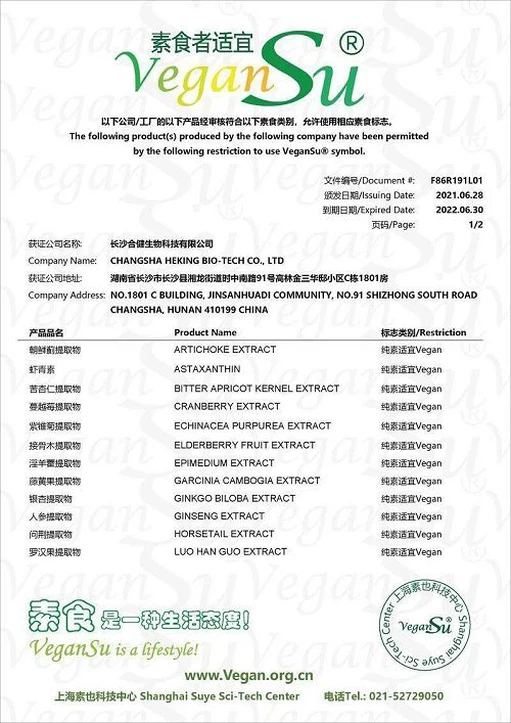
Certificate
Are certified for GMP, ISO22000, HACCP, Halal and Kosher



Our Factory
With high-level technical personnel and comprehensive team

As one of the leading vitamin manufacturers and suppliers in China, we warmly welcome you to wholesale bulk vitamin in stock here from our factory. All customized products are with high quality and competitive price. Contact us for quotation and free sample.
Vitamin E Powder, Vitamin B Powder, Vitamin