What is Plant Extract?
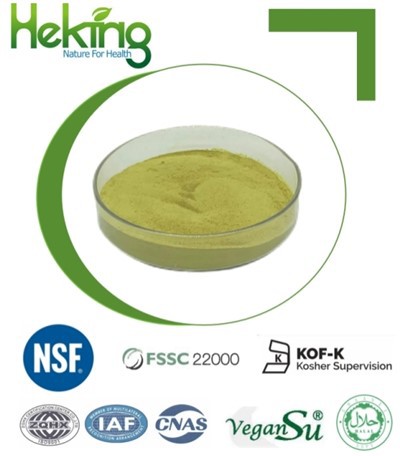
A plant extract is a concentrated solution that contains the bioactive compounds of the plant. These compounds could be alkaloids, polyphenols, flavonoids, phenolic acids, terpenes, essential oils, or other compounds that give the plant its therapeutic properties. These bioactive compounds are extracted from different parts of the by various extraction methods.
Why Choose Us
Professional technical team
We have high-level technical talents and a comprehensive team to provide customers with professional, comprehensive, fast and high-quality services to solve technical problems in different industries.
High Standard Products
We strictly develop an internal quality control system that is higher than industry standards for each product to ensure the high quality and stability of the product.
research and development
We focus on the R&D and production of plant extract active ingredients and natural products in the fields of functional foods, dietary supplements, health products and medicine.
24h online service
Our company provides comprehensive after-sales service,including installation guidance, maintenance and spare parts support.
-
![KavaExtract]() KavaExtract
KavaExtractProduct Name: Kava Extract
Other Name: Piper Methysticum Extract, Ava Extract
Latin Name: Piper methysticum
Specification: Assay: 10% – 30% Kavalactones (HPLC/UV) Ratio:... -
![Black Cumin Extract]() Black Cumin Extract
Black Cumin ExtractProduct name: Black Cumin Extract (Black Seed Extract)
Botanical resource: Nigella sativa L.
Specification: 10:1;20:1;Thymoquinone 1%-5%
Appearance: Yellow Brown Fine Powder
Used... -
![Hawthorn Extract]() Hawthorn Extract
Hawthorn ExtractProduct name: Hawthorn Extract
Botanical resource: Crataegus pinnatifida Bunge
Specification: 10:1;20:1;Total Flavonoids 5%-20%
Appearance: Brown Yellow Fine Powder
Used Part:... -
![Chrysanthemum Morifolium Ramat Extract]() Chrysanthemum Morifolium Ramat Extract
Chrysanthemum Morifolium Ramat ExtractProduct name: Chrysanthemum Morifolium Ramat Extract
Botanical resource: Chrysanthemum morifolium Ramat.
Specification: 10:1;20:1;Total Flavonoids 10%-20%
Appearance: Yellow Brown Fine... -
![Chaga Mushroom Extract]() Chaga Mushroom Extract
Chaga Mushroom ExtractProduct Name: Chaga Mushroom Extract Other Name: Inonotus obliquus Latin Name: Phaeoporus obliquus Specification: 30%~50% polysaccharides Part Used: Fruit body Appearance: ...
-
![Sarsaparilla Extract]() Sarsaparilla Extract
Sarsaparilla ExtractProduct name: Sarsaparilla Extract (Chinese Sarsaparilla)
Botanical resource: Smilax china L.
Specification: 10:1;20:1
Appearance: Yellow Brown Fine Powder
Used Part: Root &... -
![Wintergreen Extract]() Wintergreen Extract
Wintergreen ExtractProduct name: Wintergreen Extract
Botanical resource: Gaultheria procumbens L.
Specification: 10:1;20:1
Appearance: Yellow Brown Fine Powder
Used Part: Leaf
Test Method: TLC /... -
![Grape Seed Extract]() Grape Seed Extract
Grape Seed ExtractProduct Name: Grape Seed Extract
Latin Name: Vitis vinifera L. Specification: 95%原花青素(Proanthocyanidins / OPCs) Appearance: Reddish brown fine powder MOQ: 1KG Sample: ... -
![Salacia Oblonga Extract]() Salacia Oblonga Extract
Salacia Oblonga ExtractProduct name: Salacia Oblonga Extract
Botanical resource: Salacia oblonga Wall. ex DC.
Specification: 10:1;20:1;Salacinol 1%–5%
Appearance: Yellow Brown Fine Powder
Used Part:... -
![Rhizoma Kaempferiae Extract]() Rhizoma Kaempferiae Extract
Rhizoma Kaempferiae ExtractProduct name: Rhizoma Kaempferiae Extract
Botanical resource: Kaempferia galanga L.
Specification: 10:1;20:1;Ethyl p-Methoxycinnamate (EPMC) 1%–5%
Appearance: Yellow Brown Fine... -
![Aloe Vera Extract / Powder]() Aloe Vera Extract / Powder
Aloe Vera Extract / PowderProduct Name: Aloe Vera Extract
Other Name: Aloe Barbadensis Extract, Aloe Leaf Extract, Aloe Vera Gel Powder
Latin Name: Aloe barbadensis Miller
Specification: 1%-5%... -
![Kale Extract]() Kale Extract
Kale ExtractProduct name: Kale Extract
Botanical resource: Brassica oleracea var. acephala
Specification: 10:1;20:1;Chlorophyll 1%–5%
Appearance: Green Fine Powder
Used Part: Leaf
Test...


Advantages of Plant Extract
Potency
One of the biggest botanical extract benefits is that the phytochemicals are potent and highly absorbable. This is primarily because they bypass our digestive process and are absorbed directly into the bloodstream. The effects tend to be more immediate as a result.
Versatility
Another great botanical extract benefit is the fact that these liquid tinctures are so versatile. They can be taken directly from the bottle using a dropper, added to foods or beverages, and combined with other botanical extracts to create healing elixirs, syrups, teas, salves, essential oils, and more.
Targeted Healing
Botanical extracts provide targeted healing properties for specific health concerns, combining various products for optimal healing. For example, if your goal is to better support your adrenals while also promoting healthy liver function, you might focus on two single plant extracts like ashwagandha and milk thistle.
Long Shelf Life
Other benefits of using plant extracts include a long shelf life. Plant extracts are not easily degradable and consistent, and can maintain good quality for a long time. In addition, the extract’s active ingredient percentage is standardized to ensure the same high-quality extract ratio every time.
Types of Plant Extract
Medicinal plant extracts
Medicinal plant extracts are chemical components with pharmacological activity extracted from medicinal plants. For example, artemisinin extracted from resveratrol is an important drug for the treatment of malaria; glycyrrhizic acid extracted from licorice is an active substance that is anti-inflammatory, immunomodulatory and antioxidant.
Healthy plant extracts
Health-care plant extracts are chemical components extracted from plants that have health-care effects. Common health-care plant extracts in Chinese herbal medicine include ginseng compounds, flavonoids and peptides.


Cosmetic plant extracts
Cosmetic plant extracts are chemical ingredients extracted from plants that have moisturizing, anti-aging and skin conditioning effects. For example, aloe vera extract extracted from aloe vera has calming, repairing and moisturizing effects; tea polyphenols extracted from tea leaves have antioxidant, anti-wrinkle and whitening effects.
Food additive plant extracts
Food additive plant extracts are chemical components extracted from plants that have functions such as preservatives, flavoring, and preservation. For example, lignans extracted from pickled foods have aroma-enhancing, antiseptic and antibacterial effects; citric acid extracted from lemons have acid-increasing, preservative and antioxidant effects.
Application of Plant Extract

Medicinal Uses
Plant extracts are widely used in traditional medicine for treating various ailments. For example, St. John’s Wort extract is used to treat depression, ginkgo biloba extract is used for memory enhancement, and aloe vera extract is used for its anti-inflammatory properties.
Cosmetic Uses
Plant extracts are also used in cosmetics. They are added to skincare products to provide various benefits like moisturization, anti-aging, and skin brightening. For example, green tea extract is used in skincare products for its antioxidant properties.
Food And Beverage Uses
Plant extracts are also used in the food and beverage industry. They are added to food products to enhance their flavor or as a natural colorant. For example, vanilla extract is used as a flavoring agent in various food products, and beetroot extract is used as a natural colorant.
Natural Colouring
The roots, stems, leaves, flowers and fruits of widely grown plants are used as starting materials, and the color organic matter is extracted with an appropriate solvent, and prepared through separation, refining and drying processes. This organic matter is called the natural pigment of plant extracts.
Solvents commonly used in extraction of medicinal plants are polar solvent (e.g., water, alcohols), intermediate polar (e.g., acetone, dichloromethane), and nonpolar (e.g., n-hexane, ether, chloroform).

Process of Plant Extract

Maceration
This method of extraction is very easy and uncomplicated. But it has a few weaknesses like it takes more time in extraction and the inefficiency of the extraction. This method of extraction is generally applied in thermolabile substances extraction. When other solvents like luteolin, orient side were employed with this method of extraction, the inefficiency was the highest.
Percolation
This method of extraction is more proficient than maceration because this method of extraction is continuous, and it keeps on changing the old and inundated solvent with a new and refreshed solvent.


Decoction
This method of extraction has extracts that have a huge amount of dirt which is water-soluble. However, this extraction method could be used but cannot be applied for extracting volatile or thermolabile substances.
Reflux extraction
This method of extraction is far enhanced in the efficiency arena than the maceration and percolation. It needs a very low amount of solvent and employs less time in extraction. Though it is a grade above the maceration and percolation in the efficiency department, it still does not extract thermolabile organic items.

How to Maintain Plant Extract

Storage Conditions
Label Printing
Pay Attention To Waterproofing
Regular Maintenance And Cleaning
How are Plant Extracts Obtained
Collection Of Plant Materials
The first step in obtaining plant extracts is the collection of plant materials. This can be done by either harvesting the plants directly from their natural environment or by growing them in controlled agricultural conditions. The choice of the collection method depends on the specific plant species and its desired characteristics.
Preparation Of Plant Materials
After the plant materials have been collected, they need to be prepared for the extraction process. This involves cleaning and drying the plant materials to remove any impurities and ensure the highest level of purity. The type of preparation method used depends on the plant species and the desired end product.
Extraction Process
The extraction process involves isolating the desired compounds from the plant materials. This method is used to extract oils from plant materials, such as nuts, seeds, and fruits. The plant materials are pressed using a hydraulic press to extract the oils, which are then separated from the pressed materials.This method involves using a solvent, such as ethanol or hexane, to dissolve the desired compounds from the plant materials. The solvent is then removed, leaving behind the concentrated extract.
Purification And Analysis
After the extraction process is complete, the extracts need to be purified to remove any impurities and ensure the highest quality. This is typically done using techniques such as filtration, centrifugation, and chromatography. The extracts are then analyzed to determine their composition and verify that they meet the desired specifications.
Maceration
Maceration is a method of extraction that involves soaking plant materials in a liquid solvent, usually alcohol or water, for an extended period of time. The solvent is allowed to permeate the plant material, dissolving the desired compounds. This process can be accelerated by using a mechanical macerator, which grinds the plant material and mixes it with the solvent.
Percolation
Percolation is a method of extraction that involves passing a liquid solvent through a bed of plant material. The solvent slowly filters through the plant material, dissolving the desired compounds as it passes through. The solvent is collected in a separate container, and the process is repeated until the desired level of extraction is reached.
Steam Distillation
Steam distillation is a method of extraction that involves heating plant materials in a still, and then collecting the vapor that rises from the plant material. The vapor contains the desired compounds, which can be condensed back into a liquid form.
Cold Pressing
Cold pressing is a method of extraction that involves pressing plant materials to release their oils. This method is commonly used to extract oils from seeds, nuts, and fruits, such as olive oil and grapeseed oil.
What are the Uses of Plant Extracts in the Food Industry
Natural Food Coloring
One of the most common uses of plant extracts in the food industry is as natural food colorants. Artificial food colorants, although highly effective, have been associated with various health concerns, such as allergies, asthma, and even cancer. In contrast, plant extracts are derived from natural sources and are often considered safer and more sustainable alternatives.
Flavor Enhancers
Plant extracts are also commonly used as flavor enhancers in the food industry. This is because many plants contain essential oils and other compounds that can enhance the flavor of foods without the need for added artificial ingredients. For example, vanilla extract is a popular flavor enhancer that is derived from the vanilla bean. It is used in a wide range of sweet dishes, from ice cream to baked goods, to add a rich, creamy flavor.
Health Benefits
In addition to their uses as colorants and flavor enhancers, plant extracts are also known to provide a range of health benefits. Many plant extracts are rich in antioxidants, which can help to protect the body from free radical damage and oxidative stress. For example, green tea extract is rich in polyphenols, which have been shown to have numerous health benefits, including reducing the risk of heart disease and cancer.
Texture Enhancers
Finally, plant extracts can also be used to enhance the texture of foods. For example, guar gum, which is extracted from the guar bean, is commonly used as a thickener and stabilizer in a variety of foods, including soups, sauces, and dairy products. Similarly, xanthan gum, which is derived from the fermentation of glucose, can be used to create a smooth and creamy texture in foods.
What are the Medicinal Uses of Plant Extracts
Aloe Vera: Soothing Relief For The Skin
Aloe vera is a succulent plant native to africa, widely known for its soothing properties. The extract from the plant's leaves is rich in vitamins, minerals, and amino acids, which have numerous benefits for the skin. Aloe vera extract has been used to treat a variety of skin conditions, including burns, sunburns, eczema, and psoriasis.
Ginseng: Boosting Immunity And Energy
Ginseng, a perennial plant native to eastern asia, has long been used in traditional chinese medicine for its supposed healing powers. The root of the ginseng plant is the most commonly used part, containing active ingredients called ginsenosides that are believed to enhance physical performance, cognitive function, and overall well-being.
Turmeric: A Powerful Antioxidant And Anti-inflammatory Agent
Turmeric, a bright orange spice derived from the curcuma longa plant, has been used in ayurvedic and traditional chinese medicine for centuries. The active ingredient in turmeric, curcumin, has powerful antioxidant and anti-inflammatory properties that make it a valuable tool in the treatment of various health conditions.
Echinacea: Supporting The Immune System
Echinacea, a perennial plant native to north america, has long been used in traditional native american medicine for its supposed immune-boosting properties. The plant's roots and flowers are the most commonly used parts, containing active ingredients called polysaccharides and alkylamides that are believed to enhance the immune system's response to infections.
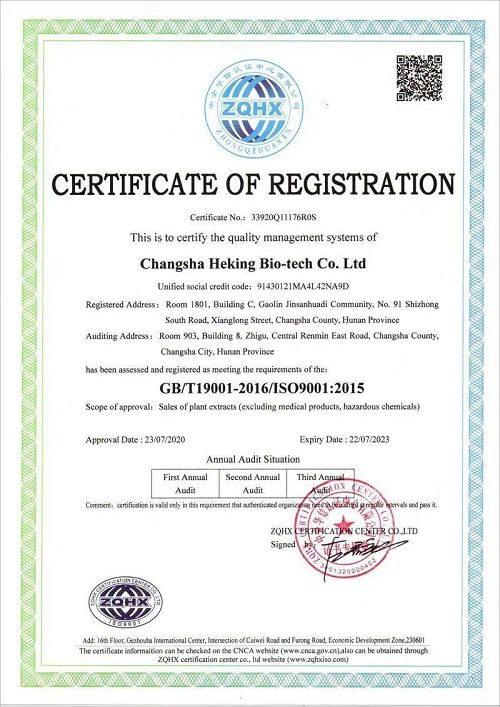
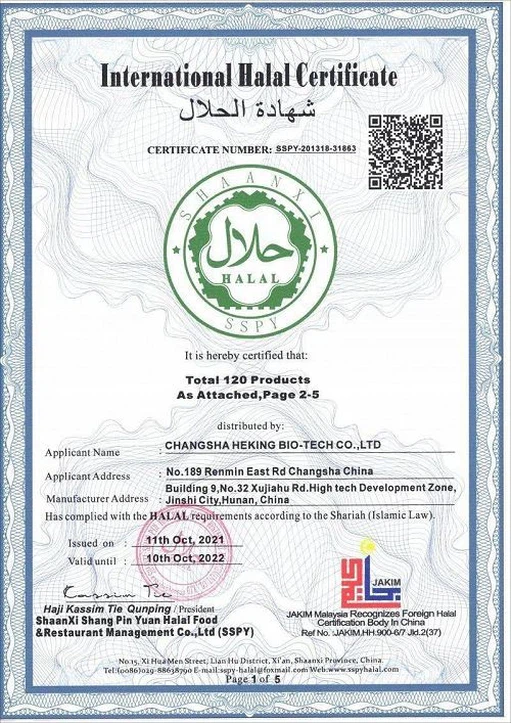
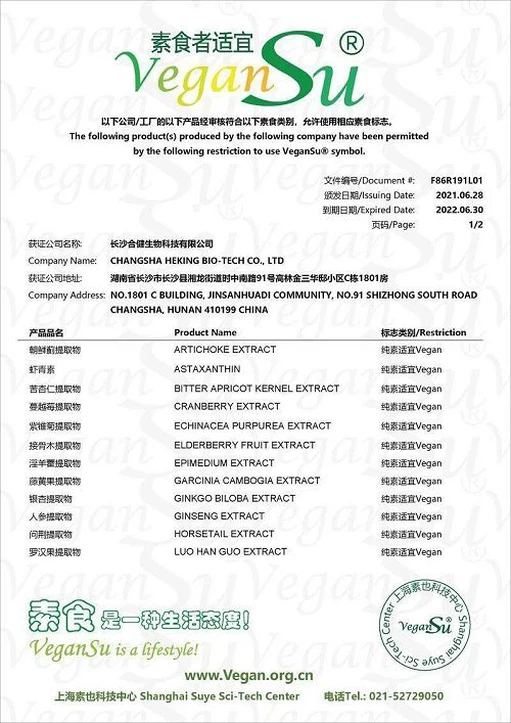
Certificate
Are certified for GMP, ISO22000, HACCP, Halal and Kosher

Our Factory
With high-level technical personnel and comprehensive team

As one of the leading plant extract manufacturers and suppliers in China, we warmly welcome you to wholesale bulk plant extract in stock here from our factory. All customized products are with high quality and competitive price. Contact us for quotation and free sample.
mucuna pruriens seed extract, moringa seed extract, cruciferous vegetables powder