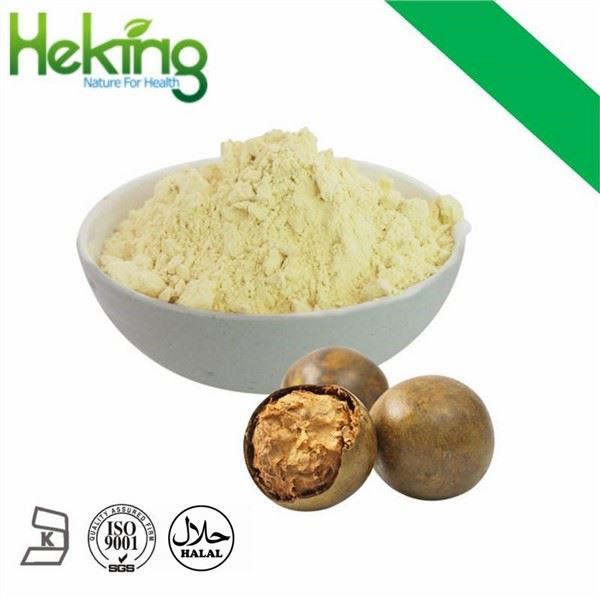
What is Sweet Tea Extract
Sweet tea extract is a concentrated form of the beverage known as sweet tea. Sweet tea is a popular drink in the southern United States, typically made by brewing black tea and sweetening it with sugar or other sweeteners. The extract is made by extracting the flavors and compounds from sweet tea and concentrating them into a liquid or powdered form.
Benefits of Sweet Tea Extract
Sweet tea extract contains polyphenols, such as catechins and flavonoids, which act as antioxidants. These compounds help neutralize harmful free radicals in the body, reducing oxidative stress and potentially protecting against chronic diseases like heart disease, cancer, and neurodegenerative disorders.
The antioxidants in sweet tea extract may help improve cardiovascular health. Research suggests that the polyphenols in black tea can help lower blood pressure, reduce LDL cholesterol levels, improve blood vessel function, and decrease the risk of heart disease.
Some studies indicate that sweet tea extract may help regulate blood sugar levels. The polyphenols in black tea may enhance insulin sensitivity, improve glucose metabolism, and reduce the risk of developing type 2 diabetes.
Sweet tea extract may aid in weight management. Some research suggests that the polyphenols in black tea can help increase metabolism, promote fat oxidation, and reduce body weight and body fat accumulation.
The bioactive compounds in sweet tea extract, particularly the catechins, may have neuroprotective effects. They may help improve cognitive function, enhance memory, and reduce the risk of age-related cognitive decline and neurodegenerative diseases like Alzheimer's and Parkinson's.
Our Products


Why Choose Us
Customer Satisfaction
We are committed to delivering high quality services that exceed our clients' expectations. We strive to ensure that our clients are satisfied with our services and work closely with them to ensure their needs are met.
One-stop service
We promise to provide you with the fastest reply, the best price, the best quality, and the most complete after-sales service.
State-of-the-art Technology
We use the latest technology and tools to deliver high quality services. Our team is well-versed in the latest trends and advancements in technology and uses them to provide the best results.
Competitive Pricing
We offer competitive pricing for our services without compromising on quality. Our prices are transparent, and we do not believe in hidden charges or fees.
Expertise and Experience
Our team of experts have years of experience in delivering high quality services to our clients. We hire only the best professionals who have a proven track record of delivering exceptional results.
Quality Assurance
We have a rigorous quality assurance process in place to ensure that all our services meet the highest standards of quality. Our team of quality analysts checks each project thoroughly before it is delivered to the client.
Can sweet tea extract be used as a natural remedy for allergies or hay fever symptoms

Sweet tea extract, which is made from black tea leaves and sugar, is not typically used as a natural remedy for allergies or hay fever symptoms. While black tea contains certain compounds that may have potential health benefits, such as antioxidants and anti-inflammatory properties, there is limited scientific evidence to support its effectiveness in alleviating allergy symptoms.
Allergies and hay fever are caused by an overactive immune response to allergens such as pollen, dust mites, or pet dander. Symptoms can include sneezing, runny nose, itchy eyes, and congestion. While there are various natural remedies and lifestyle changes that may help manage allergy symptoms, sweet tea extract is not commonly recommended for this purpose. Here's a more detailed explanation:
Antioxidant and anti-inflammatory properties: Black tea, from which sweet tea extract is derived, contains antioxidants called polyphenols. These compounds have been shown to have anti-inflammatory properties and may help reduce inflammation in the body. However, the concentration of polyphenols in sweet tea extract may be lower compared to other forms of black tea, as the extraction process and added sugar can affect the overall composition.
Potential benefits for respiratory health: Some studies have suggested that black tea consumption may have positive effects on respiratory health. For example, research has shown that the theaflavins and thearubigins found in black tea may help relax the airways and improve lung function. However, these studies typically involve the consumption of brewed black tea, not sweet tea extract.
Limited evidence for allergy relief: While black tea and its components may have potential benefits for respiratory health, there is limited scientific evidence specifically linking sweet tea extract to allergy relief or hay fever symptom management. Most studies investigating the effects of black tea on allergies have focused on the consumption of brewed tea, not extracts or sweetened versions.
Other natural remedies for allergies: There are several other natural remedies that may be more commonly recommended for managing allergy symptoms. These include:
●Nasal irrigation: Using a saline solution to rinse the nasal passages can help remove allergens and reduce congestion.
●Quercetin: This natural compound found in certain fruits and vegetables has been shown to have anti-inflammatory and antihistamine properties, which may help alleviate allergy symptoms.
●Probiotics: Some research suggests that certain strains of beneficial bacteria may help modulate the immune response and reduce allergy symptoms.
●Local honey: Consuming locally sourced honey may help desensitize the body to local pollen, potentially reducing allergy symptoms. However, it is important to note that honey should not be given to children under one year of age due to the risk of botulism.
Harvesting: The leaves of the Camellia sinensis plant, specifically the variety used for black tea, are harvested. The timing of the harvest can affect the flavor and quality of the extract.
Withering: The freshly harvested tea leaves are spread out and left to wither for a period of time. This step helps reduce moisture content and initiates enzymatic reactions that contribute to the development of flavor compounds.
Rolling: The withered leaves are rolled or twisted to break their cell walls. This process releases enzymes and initiates oxidation, which is crucial for the development of the characteristic flavors and color of black tea.
Oxidation: The rolled leaves are spread out and exposed to air, allowing oxidation to occur. This step is essential for black tea production, as it leads to the formation of complex flavor compounds and darkens the leaves.
Drying: The oxidized leaves are dried to halt the oxidation process and remove excess moisture. This step helps preserve the flavor and quality of the tea.
Grinding: The dried tea leaves are ground into a fine powder or granules, depending on the desired form of the extract.
Extraction: The ground tea leaves are then subjected to an extraction process, typically using a solvent like water or alcohol. This process helps dissolve the bioactive compounds, including polyphenols and other beneficial components, from the tea leaves.
Filtration: The extract is filtered to remove any solid particles or impurities, resulting in a clear liquid or concentrated extract.
Concentration: If a concentrated extract is desired, the liquid extract may undergo further processing to remove excess water and increase the concentration of bioactive compounds.
Drying or packaging: The extract is either dried to a powder form or packaged as a liquid concentrate, depending on the intended use and market demand.
How is sweet tea extract different from regular black tea
Sweet tea extract is typically made from a specific variety of black tea, known as Camellia sinensis var. sinensis, which is grown in the southeastern United States. Regular black tea can be made from a variety of tea plants grown in different regions around the world.
Sweet tea extract is often made using a specific process that involves steeping the tea leaves in hot water and then adding sugar to create a sweetened beverage. Regular black tea is typically consumed without added sugar or sweeteners.
Sweet tea extract may be concentrated and used as a flavoring or sweetening agent in a variety of food and beverage products, while regular black tea is typically consumed as a beverage on its own.
Sweet tea extract may contain higher levels of sugar and calories than regular black tea, depending on the amount of sugar added during the extraction process.
Sweet tea extract may contain different levels of bioactive compounds, such as polyphenols and caffeine, than regular black tea, depending on the specific extraction process and the type of tea used.

Yes, sweet tea extract can be used as a natural sweetener in beverages and desserts. Sweet tea extract is made by steeping black tea leaves in hot water and adding sugar to create a sweetened beverage. The resulting extract can be used as a natural sweetener in a variety of food and beverage products, including iced tea, lemonade, cocktails, and desserts.
Sweet tea extract can provide a unique flavor profile to recipes, with a combination of sweetness and the characteristic flavor of black tea. It can also be used to reduce the amount of added sugar in recipes, as the extract itself contains sugar and can provide sweetness without the need for additional sugar or sweeteners.
When using sweet tea extract as a natural sweetener, it is important to consider the amount of sugar in the extract and adjust the recipe accordingly to avoid adding too much sugar. It is also important to choose a high-quality sweet tea extract that is free from additives and preservatives.
Sweet tea extract may not be suitable for individuals with diabetes or blood sugar regulation issues, as it typically contains added sugar. The sugar content in sweet tea extract can cause a rapid increase in blood sugar levels, which can be problematic for those who need to monitor and control their blood sugar levels.
If you have diabetes or blood sugar regulation issues, it is generally recommended to limit or avoid foods and beverages with added sugars. Instead, you may consider using alternative sweeteners that have a minimal impact on blood sugar levels, such as stevia, erythritol, or monk fruit extract.

How does sweet tea extract compare to other herbal extracts in terms of health benefits
Sweet tea extract, which is made from black tea leaves and sugar, may offer some health benefits due to the presence of compounds found in tea leaves. However, it is important to note that sweet tea extract contains added sugar, which can have negative health effects when consumed in excess.
In comparison to other herbal extracts, such as green tea extract or herbal extracts without added sugar, sweet tea extract may have a higher sugar content and potentially fewer health benefits. Green tea extract, for example, is known for its high concentration of antioxidants called catechins, which have been linked to various health benefits, including improved heart health and potential cancer-fighting properties.
While black tea, from which sweet tea extract is derived, also contains antioxidants, the fermentation process involved in producing black tea may reduce the levels of certain beneficial compounds found in green tea. Additionally, the added sugar in sweet tea extract can counteract some of the potential health benefits of the tea itself.
If you are looking for herbal extracts with potential health benefits, it may be more beneficial to consider options without added sugar, such as green tea extract, chamomile extract, or ginger extract. These extracts can be used as natural flavorings or sweeteners in beverages and desserts without the negative impact of added sugar.
How does sweet tea extract compare to other natural sweeteners like honey or stevia
Sweet tea extract, honey, and stevia are all natural sweeteners that can be used as alternatives to refined sugar. However, they differ in terms of taste, sweetness level, nutritional content, and potential impact on blood sugar levels.
Sweet Tea Extract: Sweet tea extract is made from black tea leaves and typically contains added sugar. It is commonly used to flavor beverages and desserts. However, due to the added sugar, sweet tea extract can have a high calorie and carbohydrate content, which may not be suitable for individuals with diabetes or those trying to manage their blood sugar levels. The sugar content in sweet tea extract can cause a rapid increase in blood sugar levels, leading to potential health issues.
Honey: Honey is a natural sweetener produced by bees from the nectar of flowers. It is known for its distinct flavor and sweetness. Honey contains various vitamins, minerals, and antioxidants, depending on the floral source. However, it is important to note that honey is high in calories and carbohydrates, similar to table sugar. It also has a moderate impact on blood sugar levels, so individuals with diabetes or blood sugar regulation issues should consume it in moderation. Additionally, infants under one year of age should not consume honey due to the risk of botulism.
Stevia: Stevia is a natural sweetener derived from the leaves of the Stevia rebaudiana plant. It is known for its intense sweetness without adding calories or carbohydrates. Stevia contains compounds called steviol glycosides, which provide the sweet taste. These compounds are not metabolized by the body, so they do not contribute to blood sugar levels. Stevia has gained popularity as a sugar substitute for individuals with diabetes or those looking to reduce their sugar intake. It is available in various forms, including liquid drops, powdered extracts, and granulated blends.
When comparing these natural sweeteners, it is important to consider factors such as taste preference, sweetness level, nutritional content, and impact on blood sugar levels. Sweet tea extract and honey both contain added sugars, which can contribute to calorie intake and potentially affect blood sugar levels. Stevia, on the other hand, is a non-caloric sweetener that does not impact blood sugar levels.
In terms of taste, sweet tea extract has a distinct flavor that may not be suitable for all applications. Honey has a rich and floral taste that can enhance the flavor of various foods and beverages. Stevia has a unique sweetness that some people may find slightly different from sugar, but it is generally well-tolerated and can be used in a wide range of recipes.
When it comes to sweetness level, sweet tea extract and honey are similar to table sugar, while stevia is significantly sweeter. Stevia is estimated to be around 200-400 times sweeter than sugar, so only a small amount is needed to achieve the desired sweetness.
In terms of nutritional content, sweet tea extract and honey provide some vitamins, minerals, and antioxidants, but they also come with calories and carbohydrates. Stevia, on the other hand, is virtually calorie-free and does not provide any significant nutritional value.
For individuals with diabetes or blood sugar regulation issues, stevia is often recommended as a suitable alternative to sugar due to its minimal impact on blood sugar levels. It can be used in beverages, baked goods, and other recipes to provide sweetness without the added calories or carbohydrates.
Sweet tea extract, honey, and stevia are all natural sweeteners with their own unique characteristics. Sweet tea extract contains added sugar and may not be suitable for individuals with diabetes or blood sugar regulation issues. Honey is a natural sweetener with a distinct flavor and moderate impact on blood sugar levels. Stevia is a non-caloric sweetener that does not impact blood sugar levels and is often recommended as a sugar substitute for individuals with diabetes or those looking to reduce their sugar intake. Ultimately, the choice of sweetener depends on personal preference, dietary needs, and health goals.
What are the main bioactive compounds found in sweet tea extract
Sweet tea extract, which is derived from black tea leaves, contains several bioactive compounds that contribute to its potential health benefits. The main bioactive compounds found in sweet tea extract include:
Caffeine: Black tea naturally contains caffeine, a stimulant that can provide a temporary boost in energy and alertness. Caffeine is known to stimulate the central nervous system and may improve cognitive function and focus. However, it is important to consume caffeine in moderation, as excessive intake can lead to side effects such as restlessness, increased heart rate, and difficulty sleeping.
Polyphenols: Sweet tea extract is rich in polyphenols, a group of plant compounds with antioxidant properties. The specific polyphenols found in black tea include catechins, theaflavins, and thearubigins. These polyphenols have been associated with various health benefits, including anti-inflammatory, antioxidant, and cardiovascular protective effects. They may help reduce the risk of chronic diseases such as heart disease, certain cancers, and neurodegenerative disorders.
Theaflavins: Theaflavins are a type of polyphenol that are formed during the oxidation process of black tea leaves. They contribute to the dark color and unique flavor of black tea. Theaflavins have been studied for their potential health benefits, including antioxidant and anti-inflammatory properties. They may also have cholesterol-lowering effects and help improve cardiovascular health.
Thearubigins: Thearubigins are another group of polyphenols that are formed during the oxidation of black tea leaves. They are responsible for the reddish-brown color of black tea. Thearubigins have been shown to have antioxidant properties and may contribute to the overall health benefits associated with black tea consumption.
L-theanine: L-theanine is a unique amino acid found in tea leaves, including black tea. It is known for its calming and relaxing effects, which can help promote a sense of mental clarity and focus. L-theanine has been studied for its potential benefits in reducing stress, improving sleep quality, and enhancing cognitive function.
Can sweet tea extract be used as a natural food preservative
Sweet tea extract, which is derived from black tea leaves and sugar, has been studied for its potential as a natural food preservative. The polyphenols found in black tea, including theaflavins and thearubigins, have been shown to have antimicrobial properties that can inhibit the growth of certain bacteria and fungi. This makes sweet tea extract a potential candidate for use as a natural food preservative.
Several studies have investigated the effectiveness of sweet tea extract as a natural preservative in various food products. For example, one study found that sweet tea extract was effective in inhibiting the growth of bacteria in fresh-cut apples, potentially extending their shelf life. Another study found that sweet tea extract was effective in inhibiting the growth of mold in bread, potentially reducing the need for synthetic preservatives.
It is important to note that the effectiveness of sweet tea extract as a natural preservative can vary depending on factors such as the type of food product, the concentration of sweet tea extract used, and the storage conditions. Additionally, more research is needed to fully understand the potential benefits and limitations of sweet tea extract as a natural food preservative.
While sweet tea extract may have potential as a natural food preservative, it is important to use it in combination with other preservation methods and to follow proper food safety guidelines to ensure the safety and quality of food products.
Our Factory
Changsha Heking Bio-tech Co., ltd was established in 2016, located in Changsha, Hunan province. Heking is a professional supplier of herbal extracts & plant extracts, specialized in the research, development and production of active ingredients of plant extracts and natural products for functional foods, dietary supplements, health products and pharmaceutical field.
Besides, We have founded our unique warehouses in Los Angeles, USA in order to serve more customers all over the world.

Our Team
With high-level technical personnel and comprehensive team, we provide customers with professional, comprehensive, fast and high-quality services to solve the technical problems in different industry. An internal quality control system higher than the industry standard is strictly formulated for each product to ensure the high quality and stability of the product.

FAQ
Q: What is sweet tea extract?
Q: How is sweet tea extract made?
Q: What are the uses of sweet tea extract?
Q: Can sweet tea extract be used as a substitute for sweet tea?
Q: Does sweet tea extract contain caffeine?
Q: Is sweet tea extract healthy?
Q: Can sweet tea extract be used by diabetics?
Q: How long does sweet tea extract last?
Q: Should sweet tea extract be refrigerated?
Q: Can sweet tea extract be frozen?
Q: Can sweet tea extract be used in alcoholic beverages?
Q: Are there any alternative sweeteners to sweet tea extract?
Q: Can sweet tea extract be used in baking?
Q: Is sweet tea extract the same as sweet tea flavoring?
Q: Can sweet tea extract be used in cold beverages?
Q: Does sweet tea extract contain any antioxidants?
Q: Can sweet tea extract be used in skincare products?
Q: Is sweet tea extract gluten-free?
Q: Are there any specific tea varieties used to make sweet tea extract?
Q: Can sweet tea extract be used in savory dishes?
Hot Tags: sweet tea extract, China sweet tea extract manufacturers, suppliers, factory, Monk Fruit Extract, Mogrosides Monk Fruit, Luo Han Guo Extract, Monk Fruit Extract Powder, Lo Han Fruit Extract, Natural Sweetener