


What is Monk Fruit Extract?
Monk fruit, also known as Luo Han Guo, The fruit comes from the Siraitia grosvenorii plant, which is native to southern parts of China. Monk fruit extract is 300 times sweeter than table sugar and doesn't impact blood sugar levels.
Why Choose Us
Professional technical team
We have high-level technical talents and a comprehensive team to provide customers with professional, comprehensive, fast and high-quality services to solve technical problems in different industries.
High Standard Products
We strictly develop an internal quality control system that is higher than industry standards for each product to ensure the high quality and stability of the product.
research and development
We focus on the R&D and production of plant extract active ingredients and natural products in the fields of functional foods, dietary supplements, health products and medicine.
24h online service
Our company provides comprehensive after-sales service,including installation guidance, maintenance and spare parts support.


Advantages of Monk Fruit Extract
Safe For Diabetes
Monk fruit gets its sweetness from natural compounds called mogrosides. It's generally safe for those with diabetes because it doesn't increase blood sugars. Even so, foods and drinks sweetened with monk fruit may include added sugars and other ingredients that increase carb and calorie counts or affect insulin sensitivity. Don't assume all monk fruit products are carb- and sugar-free.
Promotes Weight Loss
Monk fruit has no calories, carbs, or fat, so it may be a great option for anyone watching their waistline. You can save substantial calories and carbs by simply substituting monk fruit sweetener for table sugar throughout your day. Again, make sure you consume monk fruit products that don't include added sugars. And save treats made with monk fruit for special occasions because many still include diet-busting ingredients like chocolate or butter.
Anti-inflammatory Properties
Monk fruit has been used in TCM for centuries to make hot drinks that relieve sore throats and reduce phlegm. The fruit's mogrosides are said to be anti-inflammatory, and may help prevent cancer and keep blood sugar levels stable.
Antioxidant Effects
Monk fruit is found to have mogrosides which are antioxidants that protect the body from oxidative stress. Oxidative stress can lead to inflammation and chronic diseases. Monk fruit may thus be helpful in boosting your health, however, stronger evidence by conducting more studies is needed to back this claim.
Types of Monk Fruit Extract
Monk fruit mogroside
Mogroside is the main sweetening component of Luo Han Guo and the key to why Luo Han Guo becomes a natural sweetener. Mogroside is a natural diterpenoid sweet compound, its sweetness can be more than 300 times that of ordinary sugar, but its calories are very low. This makes mogroside popular in the food and beverage industry.
Monk fruit polysaccharide
Luo Han Guo polysaccharide is another important component of Luo Han Guo, which is a polysaccharide compound. Luo Han Guo polysaccharide has certain immunomodulatory and antioxidant effects, which helps enhance immunity and protect physical health.


Monk fruit powder
Luo Han Guo fruit powder is a powdery substance made from Luo Han Guo fruit after soaking, drying and other processes. Luo Han Guo fruit powder retains the nutrients and natural flavor of Luo Han Guo and is a natural food additive. Luo Han Guo powder can be used to make cakes, biscuits, tea and other foods. It not only adds sweetness, but also gives the product a unique Luo Han Guo aroma.
Monk fruit erythritol
Natural sugar substitutes and alternative sweeteners fill the sugar aisle. Two popular sweet swaps are erythritol and monk fruit. Erythritol is a sugar alcohol, while monk fruit (luo han guo) comes from an Asian fruit. Both are non-nutritive, zero-calorie sweeteners.
The predominant component of commercial monk fruit extracts is mogroside V, which typically represents 30 to 40% of the extract. Other components include 11-oxomogroside V (1-10%), siamenoside I (1-10%), mogroside IV (1- 10%), water (1-6%) and ash (0-2%). The balance is made up of protein fragments.


Application of Monk Fruit Extract
Sweetener In Beverages
Monk fruit extract is an excellent sweetening agent for various beverages, including teas, coffees, smoothies, and fruit juices. It dissolves easily and imparts a natural, sweet taste without the need for excessive amounts.
Baking And Cooking
Monk fruit extract can be used as a substitute for sugar in baking and cooking. It provides the desired sweetness without the added calories and carbohydrates. However, due to its intense sweetness, a smaller amount of monk fruit extract is typically required compared to sugar.
What are the Health Benefits of Using Monk Fruit Extract?
The primary benefit of monk fruit extract is as a non-caloric sweetener to replace sugar. This benefit allows people to enjoy the added sweetness in their diet without the calories or effect on blood sugar levels. Monk fruit is beneficial for people with diabetes. It does not have an adverse effect on blood sugar control.
Evidence shows that it helps support normal blood sugar levels and metabolism by activating a key enzyme that regulates the body's energy levels, AMP-activated protein kinase (AMPK). By targeting this pathway, monk fruit extract improves the uptake of glucose into cells, where it is converted into energy. Activating AMPK also improves fat metabolism and helps burn fatty acids for energy.

Harvesting The Fruit
The first step in making monk fruit extract is harvesting the fruit from the siraitia grosvenorii plant. The plant grows best in subtropical climates and is typically found in the mountains of china, vietnam, and other southeast asian countries. The fruits are typically harvested between july and september, when they are ripest and most flavorful.
Preparing The Fruit
After the fruit is harvested and cleaned, it needs to be prepared for extraction. The skin of the fruit is typically removed, as it contains a high concentration of the sweetener. The fruit is then chopped or ground into small pieces, which helps to release the sweetener from the cells.
Extracting The Sweetener
The next step in the process is extracting the sweetener from the fruit. This is typically done using a variety of methods, including hot water extraction, ethanol extraction, and vacuum evaporation.
Purifying And Packaging The Extract
After the sweetener is extracted from the fruit, it must be purified to remove any impurities or remaining moisture. This typically involves passing the extract through a series of filters and membranes to remove any solids or particles. The extract is also often concentrated further through evaporation to achieve the desired sweetness.
Is Monk Fruit Extract a Natural Sweetener
Monk fruit extract is approximately 200 times sweeter than sugar, making it an attractive alternative for those looking to reduce their sugar intake. The sweetness in monk fruit extract is derived from a compound called mogrosides, which are a type of glycoside found in the fruit. These mogrosides are extracted and purified to create a powdered form of monk fruit extract that can be used as a sweetener.Unlike artificial sweeteners, which often have a bitter or metallic aftertaste, monk fruit extract has a clean, natural sweetness that is difficult to distinguish from sugar. This makes it an ideal sweetener for a wide range of applications, including baking, cooking, and beverages.
Potential Health Benefits of Monk Fruit Extract
Antioxidant Properties
Monk fruit extract contains high levels of antioxidants, which can help protect the body from free radical damage. Free radicals are harmful molecules that can damage cells and contribute to various diseases, including cancer and heart disease. By neutralizing these free radicals, antioxidants can help reduce the risk of these diseases and promote overall health.
Blood Sugar Control
One of the potential benefits of monk fruit extract is its ability to help regulate blood sugar levels. Studies have shown that monk fruit extract can slow the absorption of glucose in the body, which can help prevent spikes in blood sugar levels. This may be particularly beneficial for those with diabetes or those looking to manage their blood sugar levels.
Weight Management
Due to its low calorie content and high sweetness, monk fruit extract has been touted as a weight loss aid. Replacing sugar with monk fruit extract in your diet can help reduce your calorie intake, which may lead to weight loss over time.
Can Monk Fruit Extract be Used in Baking
First, you'll need to find a monk fruit extract that is suitable for baking. Some extracts are designed for use in beverages, so be sure to read the label to ensure it is suitable for baking.
Next, you'll want to replace sugar with monk fruit extract in your recipe. The general rule of thumb is to use 1/3 to 1/2 the amount of monk fruit extract as you would sugar. For example, if your recipe calls for 1 cup of sugar, you can use 1/2 to 1/3 cup of monk fruit extract.
When using monk fruit extract in baking, it's important to remember that it does not provide the same bulk as sugar. This means that your baked goods may be slightly lighter and less dense. To compensate for this, you can add a small amount of additional ingredients, such as almond flour or coconut flour, to provide more bulk.
Lastly, be sure to adjust your oven temperature and cooking time as needed to account for the differences in sweetness and density caused by the monk fruit extract.
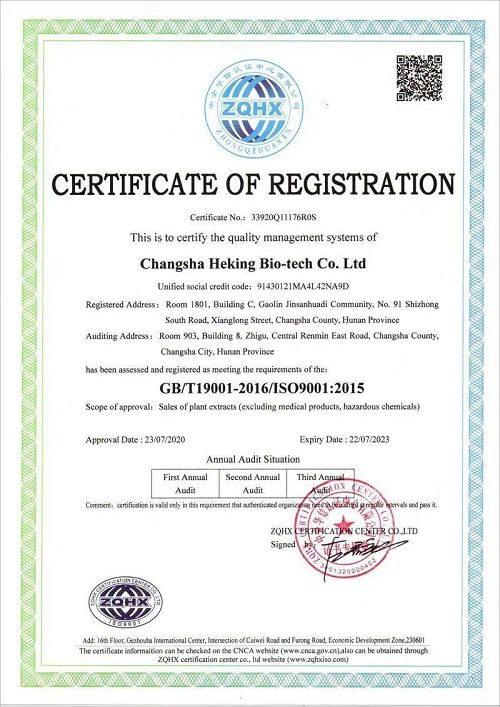
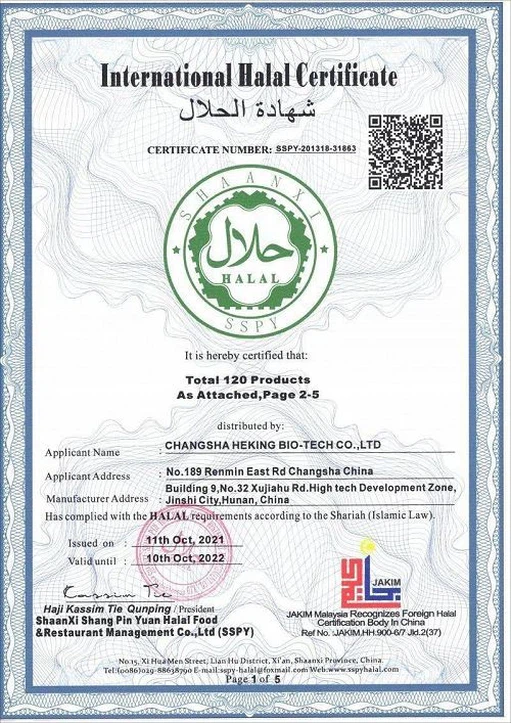
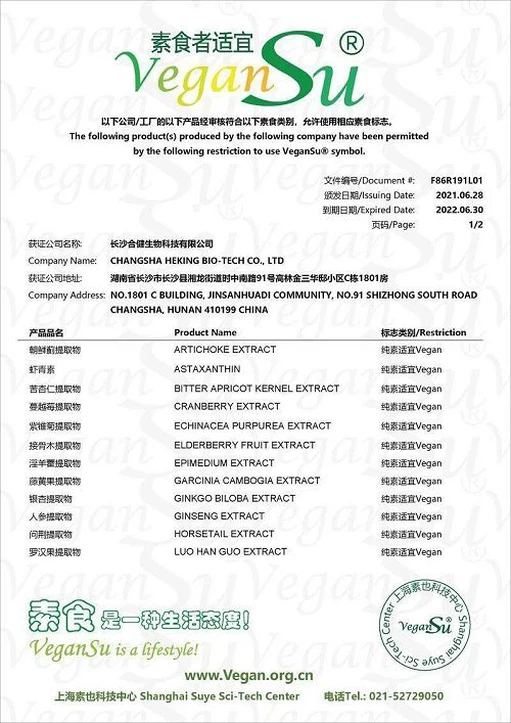
Certificate
Are certified for GMP, ISO22000, HACCP, Halal and Kosher

Our Factory
With high-level technical personnel and comprehensive team

Hot Tags: monk fruit extract, China monk fruit extract manufacturers, suppliers, factory, Monk Fruit Mogroside, Monk Fruit Extract, Mogroside V Monk Fruit, Lo Han Fruit Extract, Luo Han Fruit Extract, Monk Fruit Extract Powder


